
The 2018-2026 Biopic Boom
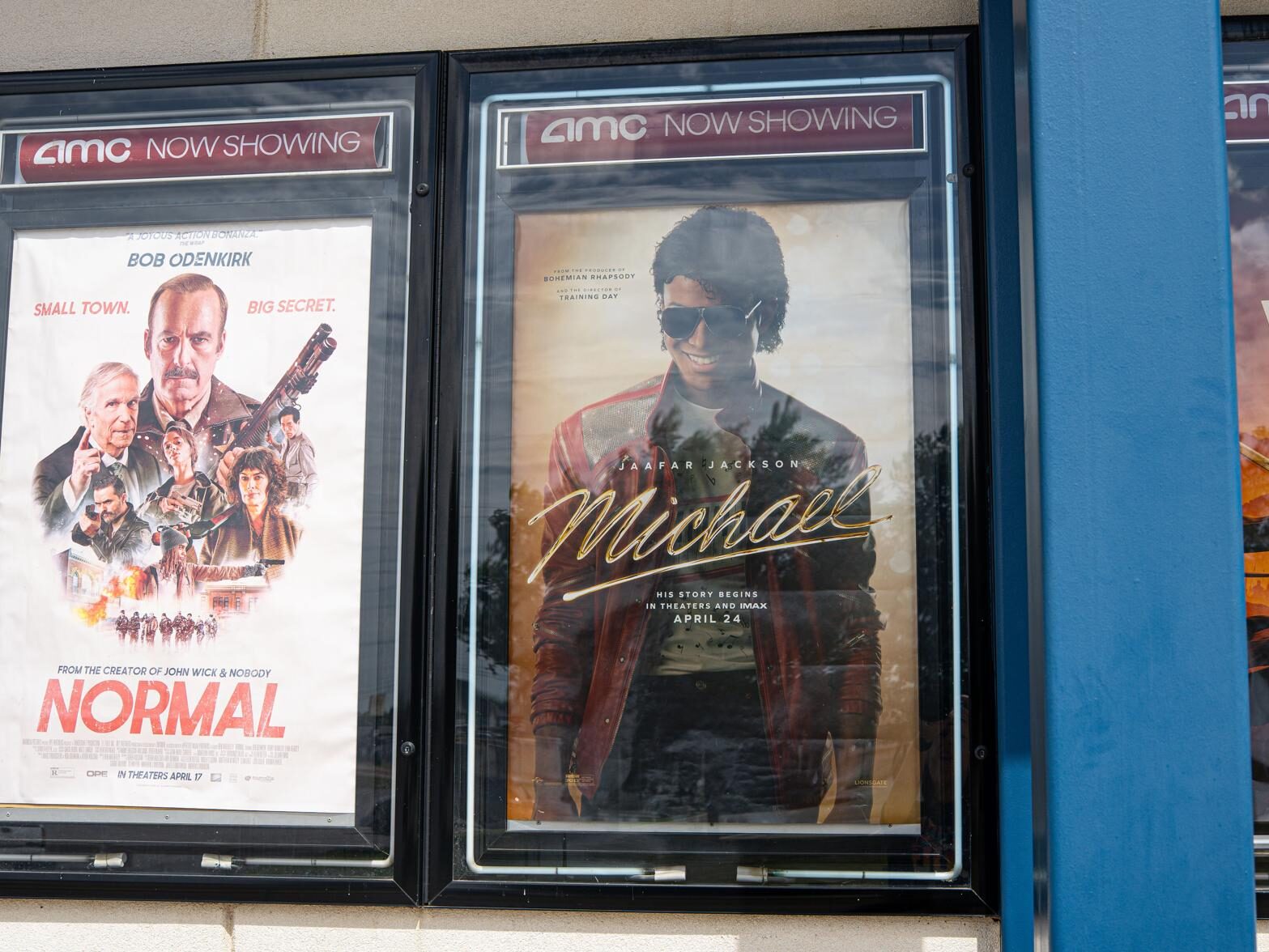
It seems like every few months now there’s another major biopic movie about a musician in the news. Currently filling this role, Michael just exploded to a huge $97 million opening weekend at the domestic box office. Besides Michael, biopics that have recently been in the news include the series of films about the Beatles set to come out in a few years, the upcoming Britney Spears biopic supposedly being directed by Jon M. Chu, The Bruce Springsteen biopic from last year – Deliver Me from Nowhere (2025), Timothée Chalamet’s A Complete Unknown (2024), Paramount’s Bob Marley: One Love (2024), and the Amy Winehouse biopic, Back to Black (2024). And I’m sure there are many others I’m missing – those are just the ones that immediately come to mind. But this explosion didn’t just begin two years ago. If you go back slightly further, Elvis (2022), Tick, Tick… Boom! (2021), and even Weird: The Al Yankovic Story (2022) all spent time in the limelight in the early 2020s. In fact, of the ten highest grossing music biopics (according to Billboard), seven of them were released after the streaming era was already in full swing. Even if you adjust for inflation, eight of the top sixteen musician biographies have been released since 2018. So what exactly is driving this decade-long push for musician biopics and how long will this trend last?
The Security
I wouldn’t be doing my due diligence if I didn’t mention the financial safety net associated with studios making a film about a musician with a large existing fanbase. I’m sure you’ve noticed the number of sequels and remakes constantly getting greenlit over recent years. Biopics kind of fall under this same umbrella. Now more than ever, studio execs are favoring familiar subjects for their theatrical releases, and who’s more familiar than a music legend like Michael Jackson himself – or Freddie Mercury or Elvis or any of the subjects of these films being made. The reality is that the box office has never fully recovered from the effects of the pandemic and labor strikes, and honestly, maybe this is just the current state of film now. Either way, the box office total in the US and Canada for 2025 was up about 1% from 2024, but still down over 20% from 2019. 2026 has gotten off to a promising start, but this doesn’t change the fact that studios just can’t afford to take as many risks anymore. That leaves us with studios investing their budgets into films like Michael, where there is already a built-in fanbase.
Still, the financial safety of these musician based films doesn’t tell the full story. Deliver Me from Nowhere (2025) is a prime example of a studio taking their subject matter for granted. Yes, Bruce Springsteen can of course draw some fans to theaters based on his name alone, but not all famous artists are created equal. Bruce Springsteen is ultimately just not the same type of icon as Michael Jackson or Elvis and you can’t expect as many fans to automatically show up for a Bruce Springsteen biopic. Consequently, the film itself must also appeal to the general public. Perhaps trying to stand out, Deliver Me From Nowhere chose to be a grittier story about the musician’s life, as opposed to the usual crowd-pleasing concert-type of film fans have come to expect. This diversion from the norm, combined with Springsteen likely not having as big a theater-going fan base as 20th Century Studios had expected, led to Deliver Me From Nowhere bringing in just $45 million against its $55 million budget during its theatrical run. Other films like Better Man and Back to Black have also had trouble recovering their investments, likely for similar reasons. It goes to show that even though biopics have a much safer path to profitability than most films, it is still not guaranteed. Therefore, though the financial security of producing a musician biopic is undoubtedly the largest reason for their rise over the past decade, it is not the only one.
The Control
One of the biggest controversies surrounding the Michael movie stems from the 22 days of reshoots that occurred when the filmmakers discovered they had to redo the entire third act. After filming had already wrapped, lawyers from the Michael Jackson estate found a restriction from a prior legal settlement, stating that Michael Jackson’s child sexual abuse allegations could not be depicted in the movie. The Jackson estate reportedly footed the bill for reshoots, which was around $15 million. This situation is a microcosm of the current reality of the involvement of estates and artists in their own biopics. You can’t make a music biopic without the music, and estates own the music. Therefore, estates or artists typically reserve the right to function as the historical consultant for these films. They are able to direct audiences to specific details in the artist’s life they like, while leaving out anything that could potentially hurt future sales.
Estates who might be considering investing in a musician biopic tend to see three major benefits of getting the film made. First, their investment in the film will likely be recovered and potentially multiplied with the box office and streaming revenue alone. Then, In doing so, they have basically created a two hour advertisement for their music. Streaming numbers and artist-related sales have a strong history of increasing dramatically directly following music biopics. Finally, estates are able to protect the long-term brand of their artists by controlling the narrative. They have the chance to attempt to “write the history” of their star in essentially whatever way they’d like. The idea of increasing an artist’s likeability is priceless for whoever owns the music. However, if they manipulate too much, audiences will begin to notice and it could potentially have the opposite effect. Still, biopics are creating a snowball effect. Estates and artists see the success of other major artists’ biopics as studios look for safer projects. This causes their eyes to light up with dollar signs, while also giving them a chance to better the image of their artist. Next thing you know, another music biopic is born.
The All or Nothing Model
With music biopics on the rise in the last decade, it is no secret that the emergence of the streaming era has played an integral part. Studios and filmmakers have to look for titles that audience members can’t wait to see. This means either creating a film that is culturally relevant, contains an aspect exclusive to theaters, or that feels like a can’t-miss event. Studios have to give people a reason to go to theaters now more than ever. Providing a night of spectacle paired with the familiarity of a concert is exactly what studios and filmmakers are looking for. With the decline of the mid-budget movies, the current landscape of the large studios is to either produce something with an ultra-high-budget for theaters or an ultra-low-budget for streaming. Music biopics allow studios to achieve a similar spectacle to some of the major releases, but for a much lower cost. Musician biographies aren’t cheap – requiring rights to the music and usually a stacked cast – but are nothing compared to most action or CGI-heavy films. Bohemian Rhapsody was produced for just $55 million, Elvis for $85 million, and Rocketman for just $40 million, in a time where $100+ million movies are commonplace for the big studios. In many ways, music biopics are taking the place of mid budget movies as the landscape of film continues to evolve.
Conclusion
In an era where studios can’t afford to gamble on unknown features and budgets are skyrocketing out of control, music biopics provide a spectacle for fans on a fairly safe investment. As more artists and estates look to capitalize on the benefits a favorable biopic provides, you can likely expect the high production volume to continue until fans demonstrate that they are tired of the genre. We’ll see if that comes sooner rather than later. If Michael is any indication though, biopics might be here to stay for a while.


